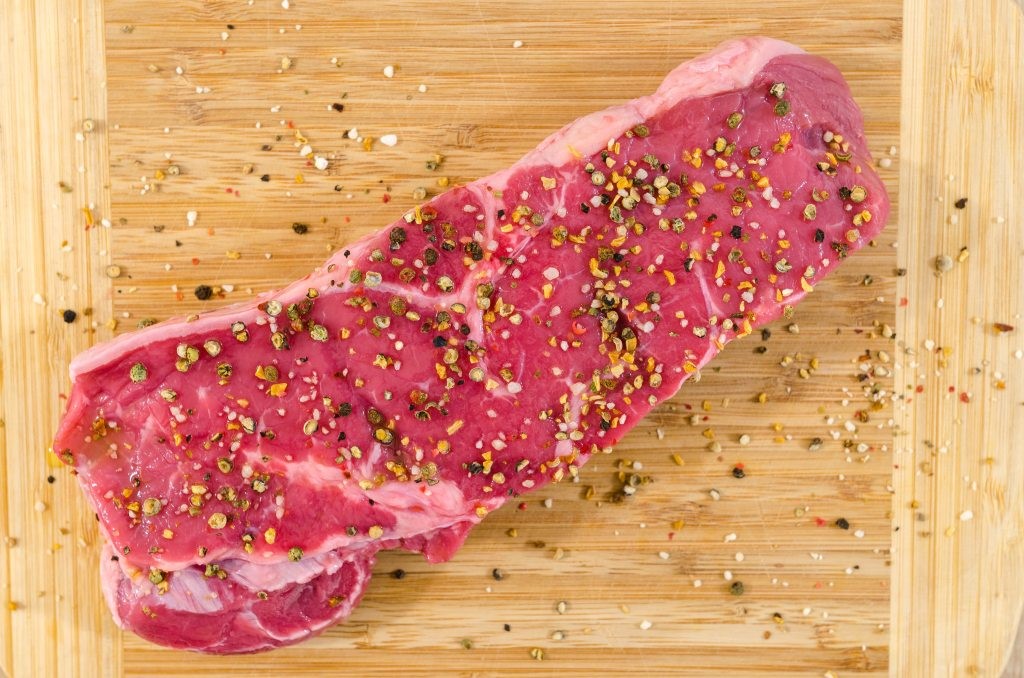
Desserts

Photo by Humphrey Muleba on Unsplash

Dessert is a course that concludes a meal. The course usually consists of sweet foods, such as confections dishes or fruit, and possibly a beverage such as dessert wine or liqueur; however, in the United States it may include coffee, cheeses, nuts, or other savory items regarded as a separate course elsewhere. In some parts of the world, such as much of central and western Africa, and most parts of China, there is no tradition of a dessert course to conclude a meal.

Frozen Desserts

Photo by Lindsay Moe on Unsplash

Frozen dessert is a dessert made by freezing liquids, semi-solids, and sometimes even solids. They may be based on flavored water (shave ice, ice pops, sorbet, snow cones), on fruit purées (such as sorbet), on milk and cream (most ice creams), on custard (frozen custard and some ice creams), on mousse (semifreddo), and others. It is sometimes sold as ice-cream in South Asia and other countries.

Chocolates & Candies

Photo by Alexander Schimmeck on Unsplash

Chocolate and Candies are a confection that features sugar as a principal ingredient. The category, called sugar confectionery, encompasses any sweet confection, including chocolate, chewing gum, and sugar candy. Vegetables, fruit, or nuts which have been glazed and coated with sugar are said to be candied.

Cakes

Photo by Jeanie de Klerk on Unsplash

Cake is a form of sweet food made from flour, sugar, and other ingredients, that is usually baked. In their oldest forms, cakes were modifications of bread, but cakes now cover a wide range of preparations that can be simple or elaborate, and that share features with other desserts such as pastries, meringues, custards, and pies.

Sources:

  • Posted by: Bryle Junell E. Debalucos
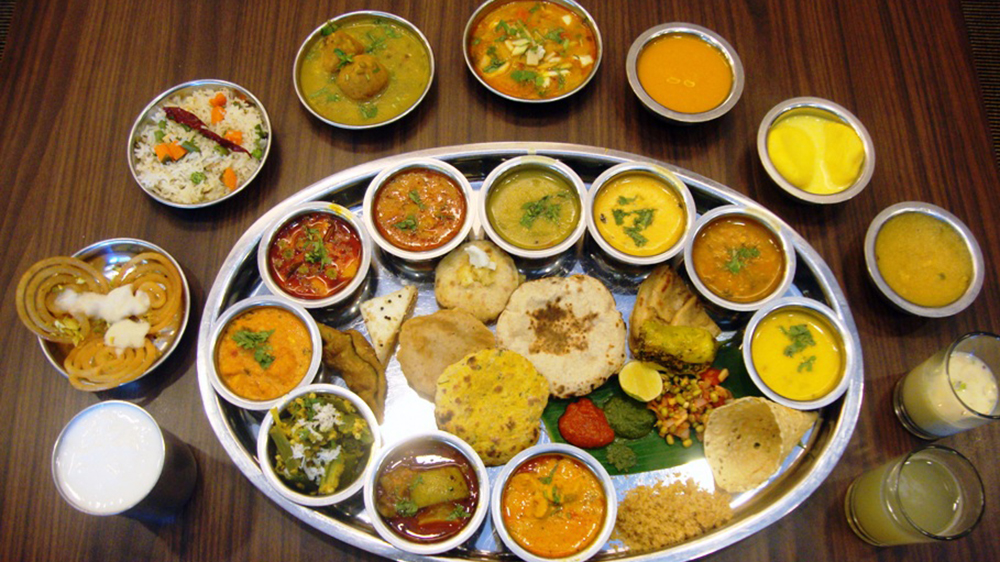
Global Cuisine

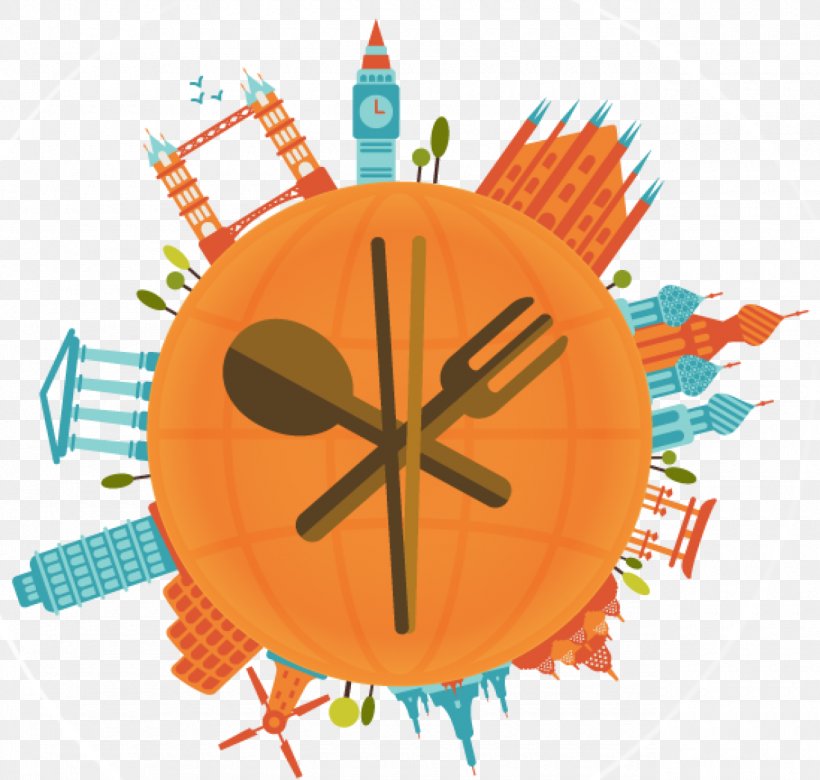
Global Cuisine is a cuisine that is practiced around the world. A cuisine is a characteristic style of cooking practices and traditions, often associated with a specific region, country] or culture. To become a global cuisine, a local, regional or national cuisine must spread around the world, its food served worldwide. There have been significant improvements and advances during the last century in food preservation, storage, shipping and production, and today many countries, cities and regions have access to their traditional cuisines and many other global cuisines.

French Cuisine

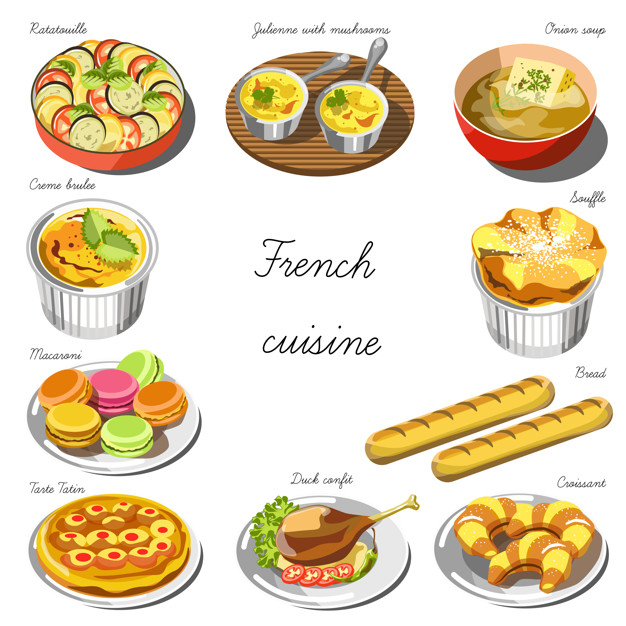
French Cuisine is developed throughout the centuries influenced by the many surrounding cultures of Spain, Italy, Switzerland, Germany and Belgium, in addition to its own food traditions on the long western coastlines of the Atlantic, the Channel and of course inland.

Indian cuisine

Indian cuisine consists of a wide variety of regional and traditional cuisines native to the Indian subcontinent. Given the range of diversity in soil type, climate, culture, ethnic groups, and occupations, these cuisines vary substantially from each other and use locally available spices, herbs, vegetables, and fruits. Indian food is also heavily influenced by religion, in particular Hinduism, cultural choices and traditions.

European or Western Cuisine

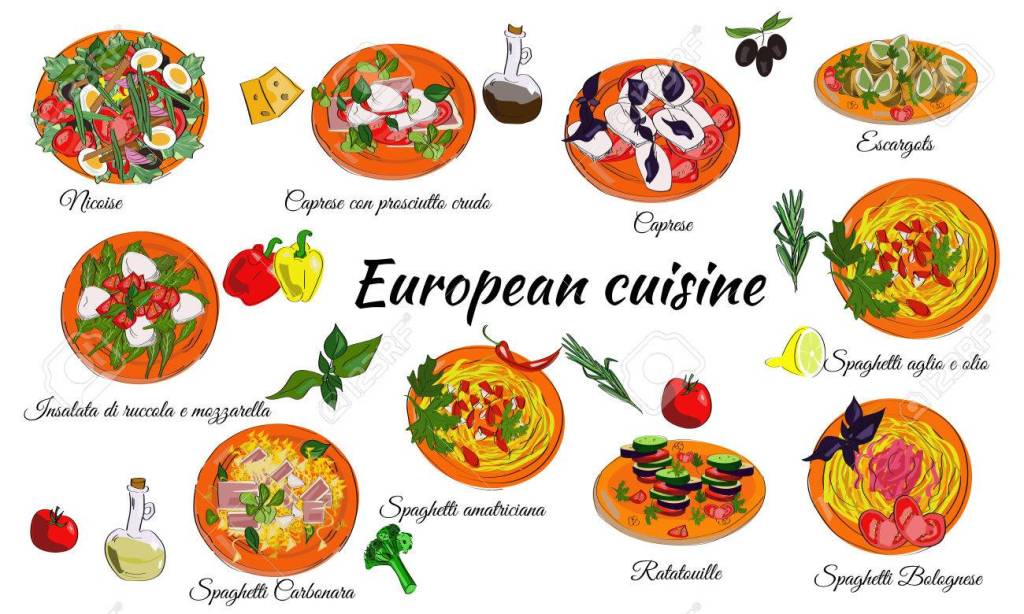
European cuisine menu of main dishes. French and Italian food.

European or western cuisine  is the cuisines of Europe and other Western countries,[2] including the cuisines brought to other countries by European settlers and colonists. Sometimes the term “European”, or more specifically “continental” cuisine, is used to refer more strictly to the cuisine of the western parts of mainland Europe.

German Cuisine

German Cuisine is made up of many different local or regional cuisines, as is typical for somewhat larger countries. Germany itself is part of a larger cultural region, Central Europe, sharing many traditions with neighboring countries such as Poland and the Czech Republic. Southern regions, like Bavaria and Swabia, share dishes with Austrian and parts of Swiss cuisine.

Chinese cuisine 

Chinese Cuisine is an important part of Chinese culture, which includes cuisine originating from the diverse regions of China, as well as from Chinese people in other parts of the world. Because of the Chinese diaspora and historical power of the country, Chinese cuisine has influenced many other cuisines in Asia, with modifications made to cater to local palates. Chinese food staples such as rice, soy sauce, noodles, tea, and tofu, and utensils such as chopsticks and the wok, can now be found worldwide.

Sources:

  • Posted by : Shin Lyven S. Dalaguit

Filipino cuisine or Filipino Food

(Filipino: Lutuing Pilipino/Pagkaing Pilipino) is composed of the cuisines of more than a hundred distinct ethno-linguistic groups found throughout the Philippine archipelago. However, a majority of mainstream Filipino dishes that compose Filipino cuisine are from the cuisines of the various ethnolinguistic groups and tribes of the archipelago, including the Ilocano, Pangasinan, Kapampangan, Tagalog, Bicolano, Visayan (Cebuano, Hiligaynon and Waray), Chavacano and Maranao ethno-linguistic groups. The style of food making and the food associated with it have evolved over many centuries from their Austronesian origins (shared with Malaysian and Indonesian cuisines) to a mixed cuisine of Indian, Chinese, Spanish and American influences, in line with the major waves of influence that had enriched the cultures of the archipelago, as well as others adapted to indigenous ingredients and the local palate.

Lechon

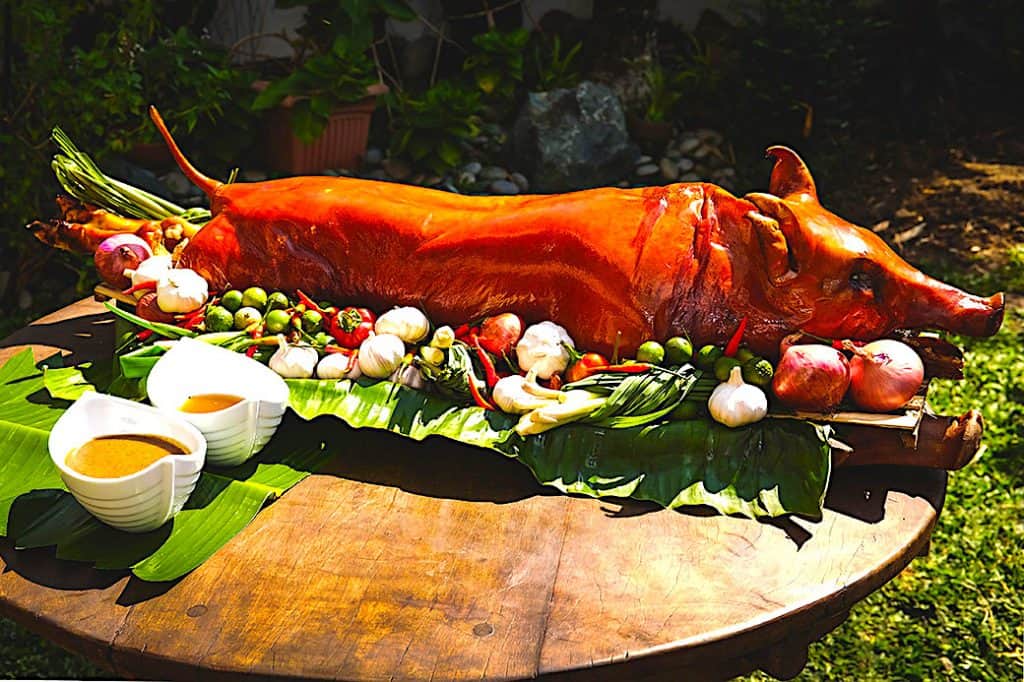
Lechon is a Spanish word meaning “suckling pig”. In the Philippines, Lechon always means a whole roasted pig commonly known as Lechon Baboy. Beef and chicken are also popular as lechon commonly known as Lechon Baka and Lechon Manok, respectively. The method of cooking the lechon is that the whole pig is roasted slowly over live charcoal. This method is also similar to the way the Chinese Peking duck or the Balines Guling celeng is cooked. The tedious method of long-hours roasting the whole pig leaves the meat very tender inside and a crispy skin outside.

Dinuguan

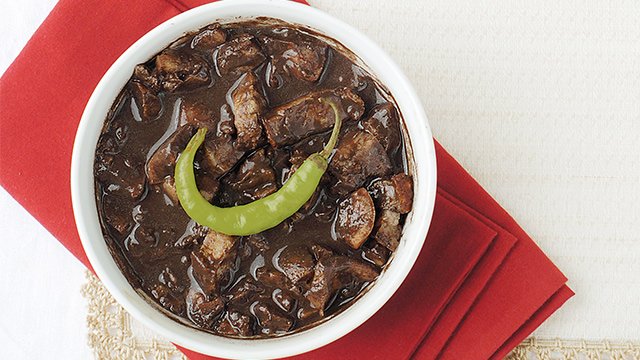
Dinuguan is a Filipino savory stew usually of pork offal (typically lungs, kidneys, intestines, ears, heart and snout) and/or meat simmered in a rich, spicy dark gravy of pig blood, garlic, chili (most often siling haba), and vinegar.

Tinolang Manok

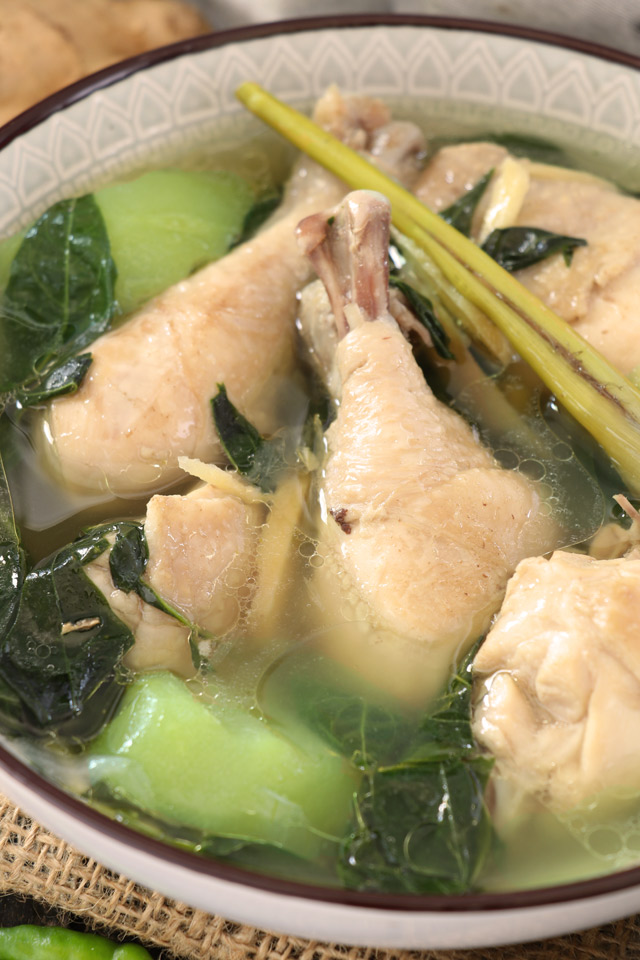
Tinola is a Filipino chicken soup usually served as an appetizer or main entrée. Traditionally, this dish is cooked with chicken, wedges of green papaya, and leaves of the siling labuyo chili pepper in broth flavored with ginger, onions and fish sauce.

Sources:

  • Posted by: Dexter John Empasis

Street Food

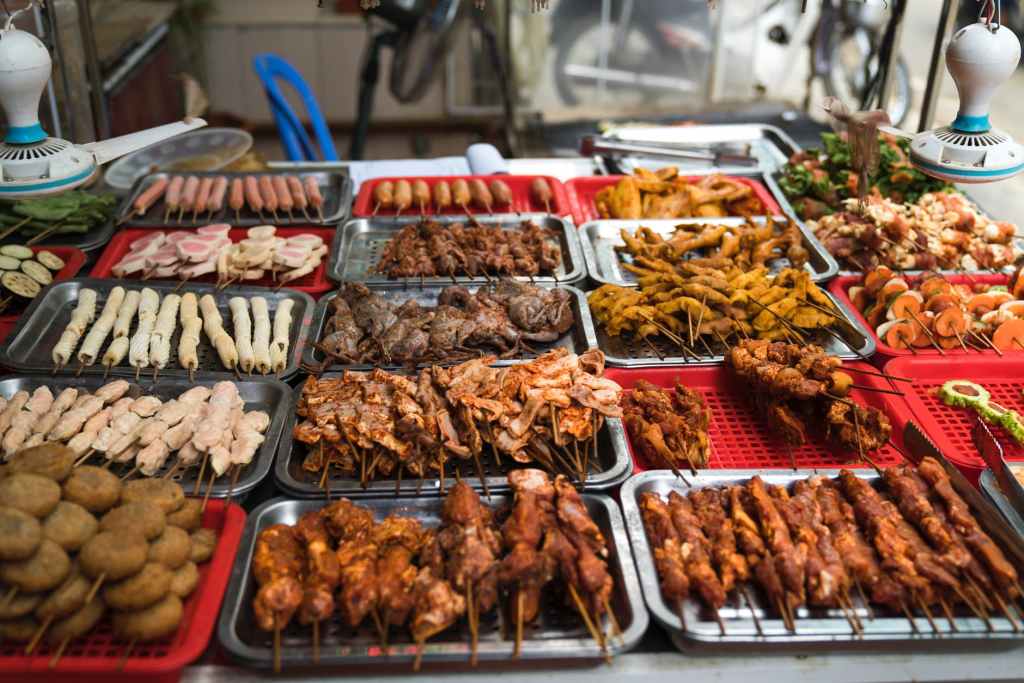
Photo by Quang Nguyen Vinh from Pexels

Street food is a special kind of food sold on the streets of almost every city in the world. It is a ready-to-eat food that you can buy in lower price. Of course, many argue about the safety and impact to the health of a person. There are cases of food poisoning and various diseases transmitted by dirty hands,water, and products.

 Street foods is very popular all over the world and about two billion people consume it every day. We can purchase street food for a number of reasons, such as convenience to get flavourful food and it is affordable. As we can see in the cities there are many vendors in the street, like portable food booth, food cart or food truck and meant for immediate consumption. There are many diseases we can get from street foods such as diarrhea, cholera, typhoid fever and food poisoning. This due to the mushrooming of wayside food vendors who lack an adequate understanding of the basic food safety issues. But not all street foods can cause diseases, because some food maker follow the proper process or procedure of making the food and they will assure the safety of the consumer or the buyer.

Therefore we must sure first that the food we eat is clean and also the environment is clean, because some instances of the disease are came from the dirt of the place where the food cart and food both located.

  • Posted by Kent Bryan G. Evardone

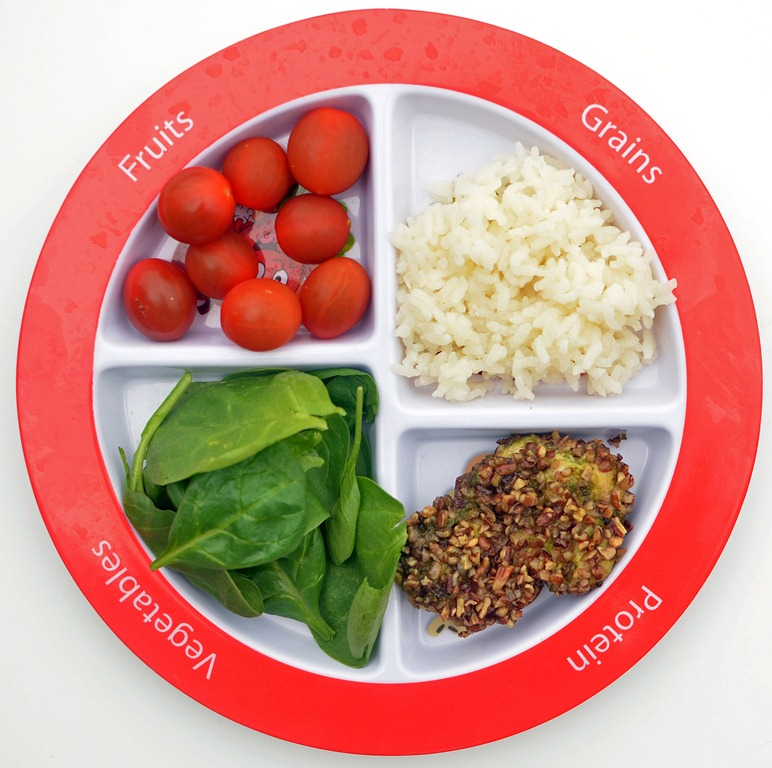
What A Balanced & Healthy Meal Looks Like

What A Balanced & Healthy Meal Looks Like

Vegetables

Photo by Magda Ehlers from Pexels

Vegetables are important sources of many nutrients, including potassium, dietary fiber, folate (folic acid), vitamin A, and vitamin C. Diets rich in potassium may help to maintain healthy blood pressure.

Whole Grain

Photo by icon0.com from Pexels

Whole grains are packed with nutrients including protein, fiber, B vitamins, antioxidants, and trace minerals (iron, zinc, copper, and magnesium). A diet rich in whole grains has been shown to reduce the risk of heart disease, type 2 diabetes, obesity, and some forms of cancer.

Fruits

Photo by Trang Doan from Pexels

Most fruits are naturally low in fat, sodium, and calories. Fruits are sources of many essential nutrients that are underconsumed, including potassium, dietary fiber, vitamin C, and folate (folic acid).

Healthy Protein

Photo by Lukas from Pexels

Your body uses protein to build and repair tissues. You also use protein to make enzymes, hormones, and other body chemicals. Protein is an important building block of bones, muscles, cartilage, skin, and blood.

  • Posted by : Robert John Gailan

Healthy Food

The connection between what we eat and our health is known for everyone since ancient times, and most people today realize that their food influences the body. One of the categories of food is healthy food. What is Healthy Food? Healthy food refers to food that contains the right amount of nutrients to keep our body fit. Good nutrition and pleasure that we get from food play a big role in health maintaining. On the other hand, most of us used to eat such eat that more likely can harm our health than to contribute to its strengthening.

Healthy food is one of the most important factors that play a clear and tangible role in human health. Most healthy food is unprocessed foods that sometimes can be found and grow in our backyards examples of these are vegetables and fruits. All kinds of edible vegetables and fruits synchronize so much with the human body cells. They get easily digested, absorbed and become a part of the human body. They are the source of energy and enable humans to do a lot of physical activities. They are low in fat and cholesterol and high in nutrients, vitamins, and minerals. Especially, green leafy vegetables, seasonal vegetables, fruits of all kinds and dry fruits are highly recommended for eating. One must concentrate on eating large amounts of vegetables and fruits, because of its great importance, because it contains many elements necessary for the body, in addition to eating different types of grain. Nutrients represent the major role in renewing the health of the body with its various organs. The benefits of the nutrients must be observed as it affects the body as a whole by giving the body nutrients the ability to keep the internal organs intact, where eating healthy food is the largest factor in the safety of internal organs that result in an inevitable body safety as a whole and thus lead to better performance in various functions of life. One must take into account the diversity of foods eaten by humans, and avoid eating one type for long periods, as healthy food contains many species and which are included in the composition elements and vitamins important to the body, such as bread of all kinds, fish and meat, water and other balanced and healthy food. Take into account the balance of foods eaten, so that it works on different types and contains more than one food element so that the body to get all the elements of the same proportions.

In conclusion, healthy food has many benefits to humans: providing the body with the necessary energy, which enables him to exercise all his activities to the fullest. Build and renew body cells by eating high-protein foods. Strengthen and build human bones by eating foods that contain calcium. Protect your body from the risk of getting cancer, by eating foods containing antioxidants. The growth of the body and building it correctly and sound. In general, this plays an important role. Nutrients represent the major role in renewing the health of the body with its various organs. One must eat moderate amounts of foods and meet the body’s need for them, and avoid over-ingestion because it works on exposure to human obesity, which in turn lead to exposure to various diseases.

  • Posted by Paul Eric Cañeda
Design a site like this with WordPress.com
Get started